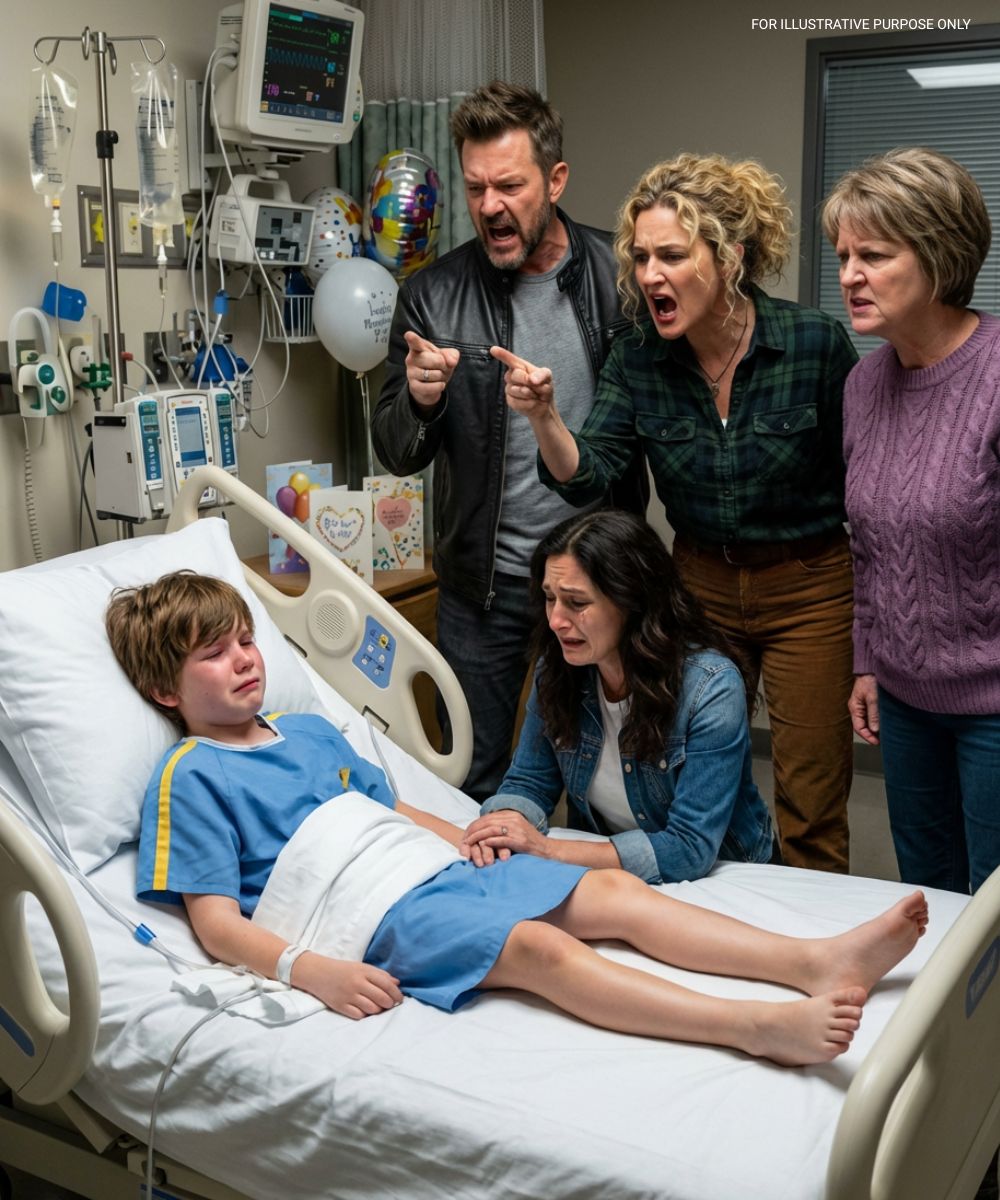
Ethan passed away on a Tuesday morning.
He didn’t leave this world with flashing lights or a dramatic final speech that made grief feel structured and cinematic. He slipped away quietly, as if even in dying he refused to make a scene. The machines continued their steady blinking, the monitors hummed with detached rhythm, and his small hand—warm, alive, stubborn until it wasn’t—rested in mine like he still believed I could anchor him here just by holding tight.
I remember details with painful clarity. The wall clock above the hospital sink ticking with arrogant certainty. The soft squeak of a nurse’s shoes in the hallway. The air—sterile, sharp with disinfectant, tinged faintly with the apple juice Ethan had begged for the night before even though he barely had the strength to sip it.
His last look wasn’t fear. It was exhaustion. Like he’d finished a marathon no child should ever have to run.
When the monitor line flattened and silence settled in the room, I didn’t scream. That’s what people don’t tell you. Sometimes grief isn’t loud. Sometimes it steals your voice entirely.
I kissed his forehead. Buried my face in his hair. Whispered the same words I’d repeated every night since his diagnosis turned our lives into a calendar of appointments.
“I’m right here.”
Three days later, his aunt’s wedding went on as planned.
The world didn’t stop.
Two weeks before Ethan di:ed, my sister had called, breathless with excitement.
“Emily! Mom and Dad are paying for everything! No budget cap!”
I’d been sitting in the hospital cafeteria with cold coffee and a pamphlet about treatment costs spread open in front of me. The numbers looked unreal—too large to feel human.
I couldn’t answer at first.
“Emily?” she laughed. “Are you there?”
“I’m here,” I said finally.
She launched into details about waterfront venues and dresses that made Mom cry. Dad calling her “princess.”
Princess.
That word lodged itself in my chest.
The day before, the hospital had given me a number.
$85,000.
That was the cost to fast-track Ethan into a specialized trial that might—might—give him a chance. Insurance appeals had failed. Savings were gone. Loans exhausted. The financial counselor had gently reminded me that “time is a factor.”
As if my son were an equation.
“I asked Mom and Dad for help,” I told my sister.
“And?” she asked.
“They said no.”
There was a subtle shift in her tone, like inconvenience creeping in.
“You can’t make everything about you,” she sighed.
“It’s not about me,” I whispered. “It’s about Ethan.”
She softened her voice, but it still stung. “They’re stressed too. This wedding is huge.”
I laughed once. “Huge.”
“Don’t start,” she warned.
“What? Say the truth?”
“You’re being dramatic.”
Dramatic.
I pictured Ethan pale in his hospital bed, cracking jokes to keep adults calm.
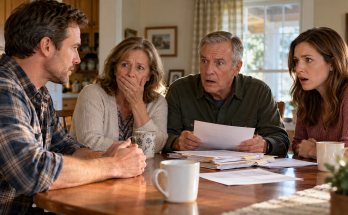
Two months earlier, I’d sat across from my parents with paperwork spread out like a plea.
I’d done the research. Found the program. Created repayment plans.
My father leaned back and said the sentence that split something inside me.
“We’re not paying eighty-five thousand dollars for a maybe.”
A maybe.
As if my child were a risky investment.
“It’s not a maybe,” I’d said. “It’s a chance.”
“You should have thought about that before making choices,” he replied.
Like Ethan was a consequence.
Like my life, my divorce, my independence were mistakes they refused to subsidize.
My mother had added, “We’ve already helped you so much.”
Crumbs dressed up as generosity.
And now my sister was celebrating unlimited floral budgets.
“Ethan might not have two weeks,” I told her. “And you’re telling me there’s no limit for flowers.”
She grew careful. Distant. “Mom and Dad can spend their money however they want.”
That was the moment I stopped begging.
Three days later, Ethan was gone.
After that, everything blurred—condolences, paperwork, hollow phrases.
“I can’t imagine.”
“He’s in a better place.”
“You’re so strong.”
Strong.
As if there was an alternative.
My parents arrived after he’d already passed.
My mother’s first words weren’t apology.
They were, “Why didn’t you call sooner?”
“I called when he was alive,” I said.